
Request an Appointment
Please let us know your details and we will be in touch to confirm a booking for you.


Does My Therapist Need to Have Been Through What I Have Been Through
Monday, October 26, 2026

All articles
Does My Therapist Need to Have Been Through What I Have Been Through
A friend's daughter was looking for a therapist. She was a young Black woman and the child of a fellow therapist, which meant she already knew quite a lot about therapy. I suggested that she look for someone with psychoanalytic training who could offer the depth of work she needed.
After asking around, we were given the name of an older white woman with a practice in a particularly affluent part of town. On paper, they did not seem like an obvious match. We told her to try the first session and let us know if it did not feel right.
As soon as she got home, she said that something clicked, and her thinking had shifted. She continued seeing the therapist, and the work they did together contributed to some significant changes in her life. The therapist did not know what it was like to be a young Black woman in America. She understood something about the young person's experiences that crossed generations and identities: how our early relationships shape us, how we learn to protect ourselves, and how difficult it can be to step beyond the lives other people have imagined for us.
Her understanding of those shared human experiences did not give her firsthand knowledge of race or racism. It gave them a place to begin. She remained willing to listen to the parts of this young woman's life that she could not already know.
Does my therapist need to share my lived experience
Usually, no. A therapist can help without having lived through the same experiences you have. Shared identity may help you feel understood sooner, especially when race, culture, sexuality, disability or faith is central to what brings you to therapy. The therapist's experience, cultural humility and ability to listen also shape whether the relationship will be helpful.
What can a therapist understand across difference
Therapists regularly work with experiences they have not personally lived through. They may support someone grieving the death of a child, navigating a divorce, living with a disability, questioning their faith or recovering from trauma without having had the same experience themselves.
Clinical training and experience helps therapists understand how people respond to loss, fear, shame, isolation, helplessness and change. Therapists have to work with clients from many different backgrounds and experiences, which helps them recognize patterns that one individual may have difficulty seeing from inside their own life.
A therapist may understand something important about your experience without claiming to know exactly what it was like for you.
The older therapist in this story could not know what it was like to move through the world as a young Black woman. She could understand family relationships, identity, protection, longing and the struggle to find a life that felt like her own. She could listen carefully enough to learn how race shaped this particular young woman's experience.
Good therapy often holds both forms of understanding: what human beings share and what is particular to your life.
When shared identity matters
There are good reasons to care about who your therapist is and what they may already understand about your life.
You may feel more comfortable with a therapist who is Asian, Black, LGBTQ+, an immigrant, disabled, neurodivergent, a parent or part of your faith community. You may want someone who understands certain references, family expectations or cultural experiences without needing a lengthy explanation.
You may also be tired. Explaining the effects of racism, immigration, homophobia, poverty, disability or religious conflict requires emotional labor. It is understandable to want a therapist who is already familiar with the world you are describing.
Research on matching clients and therapists across race, gender and other identities has produced mixed results. Many clients have understandable preferences about who they want to work with, and sharing an identity may increase comfort, trust or the sense of being understood. It has not consistently been shown to produce better therapy outcomes on its own.
The research more consistently points to what happens within the relationship. Therapists are more helpful when they understand how identity and social context affect a client’s life, respond openly when they get something wrong, and avoid assumptions, stereotypes and microaggressions. Shared identity can contribute to that understanding. Curiosity, knowledge and cultural humility shape what the therapist does with it.
Your preference deserves to be taken seriously. You do not have to justify wanting a therapist who shares an important part of your identity.
People who share an identity can still have different lives
Shared identity can create an immediate sense of recognition. There will still be differences between any two people.
A Black therapist and a Black client may have grown up in different countries, communities or social classes. Two queer people may have very different relationships with family, religion and gender. Two people with the same diagnosis may experience it differently. Even people who have survived similar forms of trauma may have found entirely different ways to cope.
A therapist who sees a shared identity as proof that they already understand you may miss important parts of your story. Familiarity can help therapists ask better questions, while curiosity helps them hear your particular answers.
You do not have to justify wanting a therapists who shares an important part of your identity.
What does a therapist need to bring
A therapist needs the knowledge and experience required to work responsibly with your concerns. They also need to know where their understanding ends.
This is often described as cultural humility. It involves recognizing that no amount of professional training makes someone an expert on another person's culture or identity. The client remains the person who knows what their experience has meant in their life.
Research has found a relationship between clients' perceptions of their therapist's cultural humility and the strength of the therapeutic relationship.
Cultural humility may look like:
- Asking questions without turning you into a spokesperson for an entire community
- Listening when you say that they have misunderstood something
- Taking experiences of discrimination and exclusion seriously
- Recognizing how race, culture, money, immigration, disability, gender, sexuality and faith may affect your life
- Understanding that family and community can be sources of belonging, conflict, protection and pain
- Continuing to learn outside your sessions
- Seeking consultation or further training when necessary
You came to therapy for support. You should not have to spend your sessions educating your therapist about basic aspects of your identity or protecting them from their discomfort.
What if my therapist gets something wrong
A therapist may misunderstand you, including a therapist who shares your background. What happens next can tell you a great deal about the relationship.
Do you feel comfortable telling your therapist that they missed something? Do they listen and try to understand? Can they acknowledge the effect of what they said without immediately explaining their intention? Does the conversation create greater understanding, or do you leave feeling responsible for reassuring them?
A therapist who is open to correction can learn more about you. That process can sometimes strengthen the relationship because you discover that disagreement or misunderstanding does not have to end in dismissal or disconnection.
Repeated assumptions, stereotypes or defensiveness are different. If you consistently leave sessions feeling unseen, diminished or responsible for managing your therapist's reactions, it is reasonable to question whether the relationship is serving you.
What if my therapist has been through something similar
You may never know which experiences your therapist shares with you. Therapists make different decisions about what they disclose about their personal lives.
When therapists share something about themselves, the disclosure should support your therapy. A brief comment may help you feel understood or less alone. More extensive disclosure can shift the focus away from you.
Even when a therapist has been through something similar, your experience remains your own. Their history may help them recognize part of what you are carrying. It should not be used to predict how you feel, what you need or what you should do next.
How can I tell whether a therapist will understand me
A therapist's profile may describe the communities they serve, the concerns they work with and the experiences that inform their approach. An initial consultation gives you an opportunity to ask more direct questions.
You might ask:
- Have you worked with people who share this part of my experience?
- How do you approach differences between yourself and your clients?
- How do race, culture, faith, sexuality, gender, or disability enter your work?
- What happens when a client tells you that you have misunderstood them?
- What training or experience do you have with this concern?
- How will we know whether our work together is helping?
Notice how the therapist responds. A thoughtful answer does not need to be perfect. You are listening for openness, experience and a willingness to engage with the question.
You can also pay attention to yourself. Do you feel that you can speak honestly? Are you editing important parts of your experience because you expect the therapist to dismiss them? Do you feel curious about what might be possible in the relationship?
First sessions can feel awkward. Trust usually develops over time. A persistent feeling that central parts of you are unwelcome deserves attention.
Choosing what matters to you
Some people actively want a therapist who shares an aspect of their identity. Others prefer someone outside their community. For some clients, the therapist's age, communication style, clinical training or experience with a particular concern matters more.
Think about the parts of your life you most need to discuss. Consider where you would welcome questions and where you are already exhausted from explaining. You may also want to think about previous experiences of feeling understood or misunderstood and what made the difference.
There is no single characteristic that guarantees a good match. You are looking for someone who can meet your experience with enough knowledge, curiosity and care to help you see yourself and your choices more clearly.
How can I find a therapist in Takoma Park or Silver Spring who will understand me
Takoma Therapy is a Black-owned, woman-led therapy practice in Takoma Park, near Silver Spring and the Washington, DC border. Our therapists work with clients from a wide range of racial, cultural, religious, gender and sexual identities.
Our therapist profiles describe each clinician's approach, areas of experience and the communities they serve. Our Intake Coordinator can also help you consider what matters to you in a therapist, along with your schedule, insurance and preference for in-person or virtual therapy.
We offer in-person therapy at our Takoma Park office and virtual therapy for clients in Maryland and Washington, DC.
Our free Guide to Choosing Your Takoma Therapist offers additional questions to consider. You can also explore our therapist profiles or contact us at intake@takomatherapy.com.
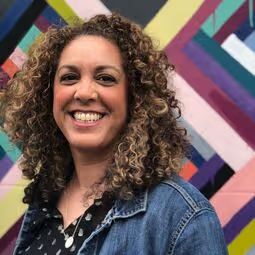
Simone Jacobs, LCSW-C, LICSW (she/her/hers)
I truly enjoy engaging with people and have a naturally warm, open style. I believe my authenticity and compassion are key to forming trusting relationships with my clients. To me, therapy is about having a conversation with you. I listen to the stories you share about your life and look for the meaning you have given to those stories. I ask questions that explore the relationship you have with yourself, those around you, and how the experiences you share about yourself shape those relationships. I ask questions that seek out alternate perspectives that highlight your ability to handle whatever difficulty you may be facing. Together we can work towards creative resolutions to complex issues.
For nearly 20 years I've focused my work on individuals, couples, and families dealing with trauma as a result of abuse and neglect. My experience as a trauma counselor also fuels my passion to help women of color explore issues of racism, sexism, and intergenerational healing. As a biracial, female therapist I am uniquely effective at being able to look through the lens of racial identity questions with my clients.
I hold a Bachelor of Science degree from Kings College, London University, and a Master's in Social Work from Smith College. I am a member of the International Society for the Study of Trauma and Dissociation. For many years, I was a presenter at the ISSTD Conference, speaking on the topic of surviving childhood trauma. Much of my work outside of the practice now focuses on the link between the legacy of slavery and mental health.
My first book, “Understanding the Paradox of Surviving Childhood Trauma: Techniques and Tools for Working with Suicidality and Dissociation", is available from Amazon, or through Routledge Publishing. Written for trauma therapists, although anyone can read it, it provides a fresh lens through which to view the coping mechanisms of survivors of childhood abuse and neglect.
Speaking Engagements
For speaking engagements, clinical presentations, and business-related inquiries, please contact Simone Jacobs at simonejacobs@takomatherapy.com.
Who is Takoma Therapy?
Takoma Therapy is a local practice based on the Takoma Park / DC border, offering warm, thoughtful support for individuals and couples, both in-person and online.
- Easy to access from DC, Silver Spring, and nearby areas
- We help you find the right therapist, not just any therapist
- A space where you feel understood, not judged
- Clear, supportive help navigating insurance and getting started
More from the blog










Follow us on Instagram


© Copyright 2026
Takoma Therapy LLC
All Rights Reserved
